Root Electric LLC provides EV charger installation in Parker, CO, and nearby communities. We regularly serve Stonegate, The Pinery, Canterberry Crossing, Stroh Ranch, Clarke Farms, Hidden River, Idyllwilde, Bradbury Ranch, Pradera, and Sierra Ridge, as well as Castle Rock, Franktown, and Elizabeth.
Call/Text: 720-448-4018 • Web: www.rootelectricllc.com
Need EV charger installation in Parker, CO?
Root Electric LLC installs Level 2 home charging with correct circuit sizing, panel capacity checks, clean conduit/wiring, and permit-ready artistry. Call/text 720-448-4018.
Trust & Workmanship You Can Count On
Installing an EV charger adds a high, continuous load to your home—so quality and code compliance matter. Root Electric LLC focuses on safe, clean, inspection-ready installations built for long-term reliability.
- Licensed & insured
- Master Electrician-led artistry
- Permit-ready installs when required
- Dedicated circuits sized correctly (no shortcuts)
- Neat conduit/wire routing and labeling
- Clear scope, clean finish, and reliable performance
EV Charger Installation in Parker, CO: A Homeowner’s Guide
If you drive an EV in Parker, Colorado, a Level 2 home charger is the simplest way to charge faster and stop relying on public stations. The goal isn’t just convenience—it’s a safe, code-compliant installation that charges consistently without nuisance trips, overheating, or future inspection issues.
This guide explains what matters most: charger options, where to install, what your panel needs, and what to expect during installation.
Why Parker Homeowners Choose Level 2 Charging
Level 1 (120V) charging works for light driving, but it’s slow and often frustrating.
Level 2 (240V) charging is the standard home solution because it delivers:
- Faster overnight charging and more miles added per hour
- A dedicated circuit designed for a continuous load
- Cleaner installation (no extension cords or makeshift setups)
- Better readiness if you add a second EV later
If you commute from Parker toward DTC, Denver, or along E-470, Level 2 charging is usually the best long-term setup.
EV Charger Brands Homeowners Request Most
We install popular Level 2 charging options and help you choose a model that fits your home’s electrical capacity and your driving needs. Common choices include:
- Tesla Universal Wall Connector (Tesla plus non-Tesla compatibility)
- ChargePoint Home Flex (strong app ecosystem and reliability)
- Emporia Level 2 (great value plus energy monitoring)
- Grizzl-E (durable, straightforward, garage-friendly)
- Wallbox Pulsar Plus (compact plus smart features)
- JuiceBox (smart charging features; model availability varies)
- Autel (feature-rich options depending on model)
Already bought a charger? We can install it. Not sure what to buy? We’ll recommend one based on panel capacity, your goals, and how you actually drive.
Can My Electrical Panel Handle an EV Charger?
Sometimes yes—sometimes you’ll need an upgrade or a smarter approach. A proper EV charger installation starts with an evaluation of:
- Main service size (commonly 100A / 150A / 200A; some homes 400A)
- Existing major loads (HVAC, electric heat, range, hot tub, workshop tools, etc.)
- Panel condition and breaker space
- Load calculation results and correct charger settings
If your panel is full, outdated, or already stressed, we’ll walk you through code-compliant options so your charger performs reliably without overloading your system.
What Size Circuit Do I Need for Level 2 Charging?
Circuit sizing depends on:
- Your EV’s onboard charger capability
- Your daily mileage and charging window
- Your home’s available electrical capacity
- Charger manufacturer requirements and configuration
Many Parker homeowners end up in the 40A–60A circuit range, but bigger isn’t always better. The best setup is the one that’s safe, stable, and matched to your electrical system—without breaker trips or risky shortcuts.
Best Places to Install an EV Charger (Parker Homes)
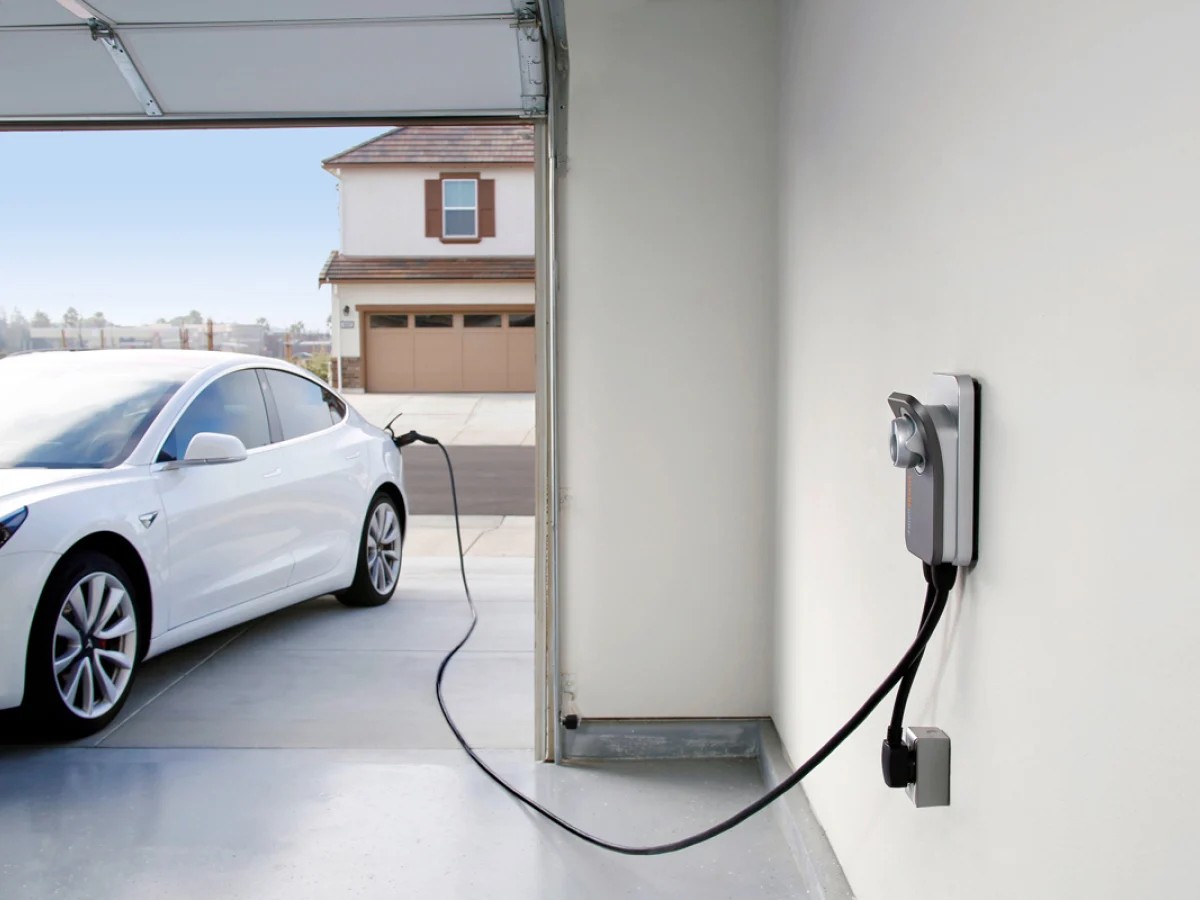
Most installations in Stonegate, The Pinery, and newer Parker neighborhoods go in the garage for the cleanest layout and shortest run. Other common locations include:
- Exterior wall near the driveway (weather-rated equipment, proper routing matters)
- Detached garage or outbuilding (common near Franktown/Elizabeth; long runs require voltage drop planning)
We’ll help you choose a location that fits your parking habits, cable reach, protection from damage, and future EV needs.
EV Charger Installation: What to Expect
A professional installation typically follows this sequence:
- Walkthrough Plus goals (where you park, charger choice, desired speed)
- Electrical evaluation (panel capacity, safety checks, load considerations)
- Clear estimate (scope, materials, and permit guidance if required)
- Installation plus testing (dedicated circuit, correct breaker/wire sizing, labeling, commissioning)
- Inspection support (when required by your local jurisdiction)
Standard garage installs are often straightforward. Panel upgrades, detached garages, and long wiring runs require additional planning.
Safety Notes: What to Avoid With EV Charging
- EV charging is not the place for “close enough.” Avoid:
- Extension cords or “temporary” charging setups
- Using old/loose receptacles for high continuous loads
- Oversizing breakers to stop tripping (major hazard)
- Sharing circuits with other large appliances
- Ignoring the voltage drop on long-distance runs
A correct installation protects your vehicle, your home, and long-term reliability.
Related Electrical Upgrades That Pair Well With EV Charging
Many homeowners bundle EV charging with improvements that make the whole system safer and more future-ready:
- Electrical panel upgrades (more capacity, cleaner breaker layout, better reliability)
- Dedicated garage circuits (tools, freezers, heaters—without overloading)
- Surge protection (helps protect sensitive electronics and EVSE equipment)
- Troubleshooting for flickering lights or nuisance trips (fix root causes before adding new load)
If you’re already noticing breaker trips or dimming lights, it’s smart to address those issues before (or during) an EV charger install.
Schedule EV Charger Installation in Parker, CO
Root Electric LLC installs Level 2 EV chargers across Parker and nearby communities, including Stonegate, The Pinery, Canterberry Crossing, Stroh Ranch, Clarke Farms, Hidden River, Idyllwilde, Bradbury Ranch, Pradera, Sierra Ridge, plus Castle Rock, Franktown, and Elizabeth.
Call/Text: 720-448-4018
Website: www.rootelectricllc.com
EV Charger Installation FAQ (Parker, CO)
Q: What type of EV charger is best for a home in Parker, CO?
A: Most homeowners choose a Level 2 (240V) charger for faster overnight charging and a dedicated circuit. The best model depends on your EV, desired charge rate, and your panel’s available capacity.
Q: Do I need a permit to install an EV charger in Parker, Colorado?
A: Often, yes—especially for a new 240V circuit or panel work. Requirements vary by jurisdiction, but a professional install should be permit-ready when required.
Q: Can I install an EV charger if my panel is full?
A: Usually, yes. Depending on your load calculation and equipment, solutions may include a panel upgrade, subpanel, or other code-compliant options.
Q: What charger brands do you install?
A: We install Level 2 EV chargers, including Tesla Universal Wall Connector, ChargePoint, Emporia, Grizzl-E, Wallbox, JuiceBox, and Autel, and we match the circuit to manufacturer requirements.
Q: How long does an EV charger installation take?
A: Many standard garage installs can be completed in one visit. Panel upgrades, detached garages, and long wiring runs can take longer due to scope and permitting.
Q: Where should an EV charger be mounted?
A: Most are installed in the garage for protection and short wiring runs. We also install on exterior walls and in detached garages/outbuildings, using proper weather rating and planning.